Best Digital Marketing Courses for Beginners: How to Choose the Right One
Choosing the right digital marketing course can be confusing, especially for beginners who are just starting their journey. With so many options available, the most common question is: which digital marketing course is best for beginners? The answer depends on your goals, learning style, and the practical exposure a course provides. However, certain factors and comparisons can help you make the right decision.
What Makes a Digital Marketing Course Beginner-Friendly?
Before selecting a course, it is important to understand what beginners actually need. A good beginner course should focus on:
- Basic to advanced concepts in simple language
- Practical training with real tools
- Live projects and case studies
- Step-by-step learning structure
- Career guidance and support
Compared to traditional education, digital marketing is more skill-based. This means practical exposure matters more than theoretical knowledge.
Which Core Modules Every Beginner Course Should Include?
Not all courses are equal. The best digital marketing course for beginners should cover essential modules such as:
1. Search Engine Optimization (SEO)
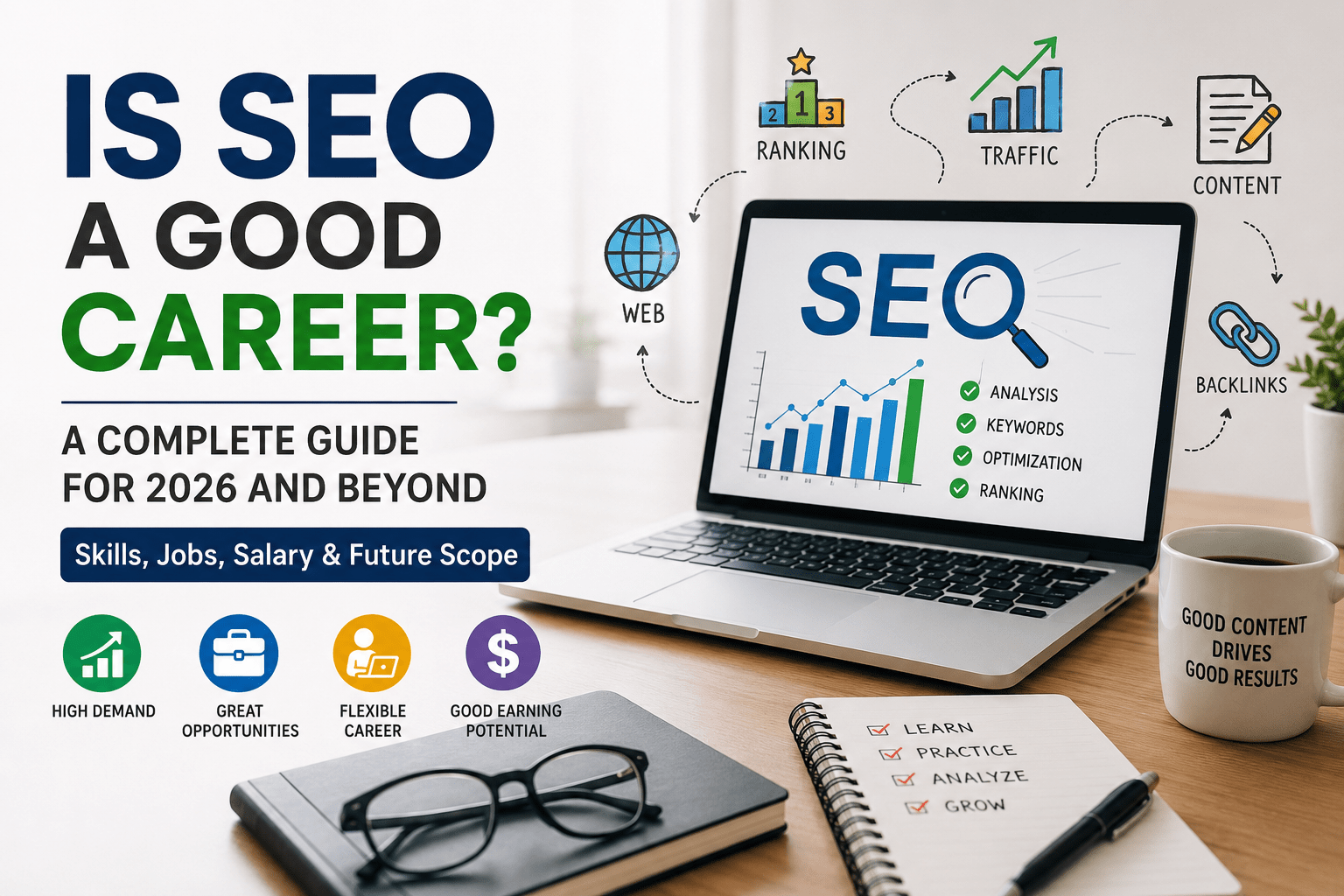
SEO teaches how to rank websites on Google and generate organic traffic. It is considered the foundation of digital marketing.
Compared to paid marketing, SEO takes time but provides long-term benefits. Beginners should always start with SEO to understand how search engines work.
2. Google Ads (PPC)
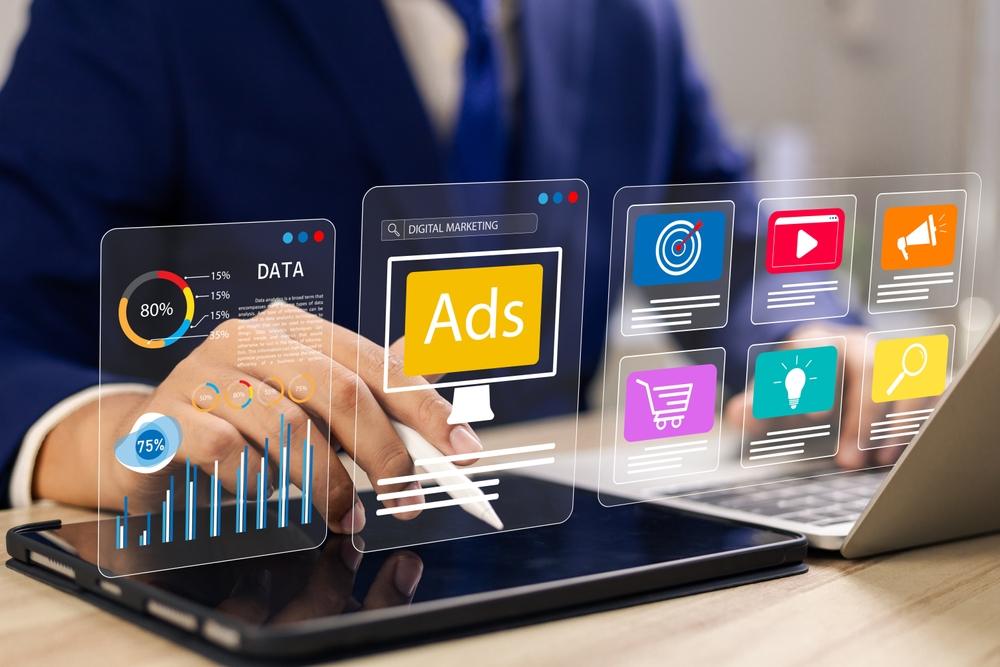
Google Ads helps generate instant traffic through paid campaigns.
Unlike SEO, which is slow but sustainable, PPC delivers quick results. A good course should include hands-on training with real ad campaigns.
3. Social Media Marketing (SMM)
Social media marketing focuses on platforms like Instagram, Facebook, and LinkedIn.
Compared to SEO and PPC, it is easier to start and helps beginners understand audience behavior and content creation.
4. Content Marketing
Content marketing teaches how to create valuable blogs, videos, and posts.
It supports both SEO and social media. Compared to direct advertising, content marketing builds trust and long-term engagement.
5. Email Marketing
Email marketing helps businesses connect directly with users.
Compared to social media, it offers better control and higher conversion rates because the audience is already interested.
6. Advanced AI Tools in Digital Marketing (NEW)
Modern digital marketing is now powered by Artificial Intelligence. A good beginner course should also introduce AI tools because they save time and improve performance.
Some important AI tools include:
- AI content writing tools (for blogs, ads, captions)
- AI SEO tools (for keyword research and optimization)
- AI design tools (for creatives and banners)
- AI analytics tools (for understanding user behavior)
Compared to traditional manual work, AI tools help marketers work faster, reduce errors, and improve decision-making.
Today, companies prefer marketers who can use AI tools effectively rather than only manual strategies.
7. AEO, GEO & VEO in Digital Marketing (NEW)
Digital marketing is evolving beyond SEO. Modern courses now include AEO, GEO, and VEO to prepare students for future search trends.
AEO (Answer Engine Optimization)
AEO focuses on optimizing content for voice assistants and answer-based platforms like Google featured snippets and AI search results.
Instead of ranking only on search pages, AEO ensures your content directly answers user questions.
GEO (Generative Engine Optimization)
GEO is about optimizing content for AI-driven search engines like ChatGPT-style systems and generative AI platforms.
Compared to traditional SEO, GEO focuses on making content AI-friendly, structured, and context-rich so AI tools can easily reference it.
VEO (Voice Engine Optimization)
VEO focuses on voice search optimization using tools like Alexa, Google Assistant, and Siri.
With increasing voice searches, content must be conversational and question-based.
Together, AEO, GEO, and VEO represent the next generation of digital marketing beyond traditional SEO.
What are Types of Digital Marketing Courses Available?
When choosing a course, beginners often come across different formats. Understanding their differences is important.
1. Online Courses
Online courses are flexible and cost-effective. You can learn at your own pace.
However, compared to offline training, they often lack practical guidance and personal mentorship.
2. Offline Classroom Training
Offline courses provide direct interaction with trainers and structured learning.
Compared to online courses, they offer better discipline and real-time doubt solving, but may require fixed schedules.
3. Hybrid Courses
Hybrid courses combine online and offline learning.
Compared to both formats, this is often the best option because it offers flexibility along with practical support.
Certification vs Practical Skills
Many beginners focus on certificates, but this is a common mistake.
- Certificates show completion
- Skills show capability
Compared to certificates, practical experience has more value in real-world jobs. Employers prefer candidates who can actually run campaigns, not just hold certificates.
How to Identify the Best Course for You?
Instead of choosing randomly, compare courses based on:
- Course content and modules
- Practical training opportunities
- Trainer experience
- Tools and software covered (including AI tools)
- Placement or career support
A course that includes live projects, AI tools, and real campaign management is far more valuable than one that only provides recorded lectures.
Why Practical Training Matters More Than Theory?
Digital marketing is a performance-driven field. You learn by doing, not just by reading.
Compared to theory-based learning, practical training helps you:
- Understand real business challenges
- Work on actual campaigns
- Gain confidence in tools
- Build a portfolio
Which Digital Marketing Course Should Beginners Choose?
For most beginners, the ideal course should include:
- SEO (strong foundation)
- Google Ads (paid marketing skills)
- Social Media Marketing (content and engagement)
- AI tools training (modern marketing skills)
- AEO, GEO, VEO concepts (future-ready learning)
- Practical projects (real experience)
At institutions like Infinite Pulse Media Academy, the focus on practical training, AI tools, and real-world projects helps beginners become job-ready faster.
Which Career Opportunities After Completing a Course?
Once you complete a beginner-friendly digital marketing course, you can explore roles like:
- SEO Executive
- Social Media Manager
- Google Ads Specialist
- Content Marketer
- Digital Marketing Executive
- AI Marketing Assistant
Compared to traditional careers, digital marketing offers faster growth, freelancing opportunities, and flexible work options.
Conclusion
There is no single “best” digital marketing course for everyone. The right course depends on your learning goals and how much practical exposure it provides.
However, for beginners, the best course is one that combines essential modules, AI tools, AEO/GEO/VEO concepts, hands-on training, and real-world experience.
Instead of focusing only on theory or certificates, choose a program that helps you build actual skills and prepares you for the future of digital marketing.