
What Are the Different Types of Social Media Platforms in Today’s Digital World?
Social media is no longer just about chatting with friends or sharing photos. It has evolved into a powerful ecosystem where people connect, learn, entertain, and even build careers. But not all social media platforms are the same. Each platform serves a different purpose and audience.
So the real question is—what are the different types of social media platforms, and how are they used today?
Let’s break it down in a simple and practical way.
What is Social Media?
Social media refers to digital platforms that allow users to create, share, and interact with content. These platforms connect people globally and enable communication in real time.
From personal use to business marketing, social media plays a major role in modern life. However, understanding its types helps you use it more effectively.
Why Understanding Social Media Types Is Important?
Not every platform works for every purpose. For example:
- Instagram is great for visuals
- LinkedIn is best for professional networking
- YouTube is ideal for long-form video content
Knowing the types helps:
- Businesses choose the right platform
- Creators target the right audience
- Users consume better content
Types of Social Media Platforms
There are several categories of social media, each designed for specific goals. Let’s explore them one by one.
1. Social Networking Platforms
These are the most common types of social media. They focus on connecting people.
Examples:
Features:
- Profile creation
- Friend connections
- Messaging
- Community groups
Use Case:
People use these platforms to stay connected, while professionals use them for networking and career growth.
2. Media Sharing Platforms
These platforms focus on sharing visual content like photos and videos.
Examples:
- YouTube
- Snapchat
Features:
- Photo and video uploads
- Reels and short videos
- Live streaming
Use Case:
Content creators, influencers, and brands use these platforms for engagement and visibility.
3. Microblogging Platforms
Microblogging platforms allow users to share short updates, opinions, or news.
Examples:
- Twitter (X)
- Threads
Features:
- Short posts
- Real-time updates
- Trending topics
Use Case:
These platforms are popular for news, opinions, and quick communication.
4. Discussion Forums and Communities
These platforms focus on discussions and knowledge sharing.
Examples:
- Quora
Features:
- Question-and-answer format
- Topic-based communities
- User-generated content
Use Case:
People use these platforms to learn, ask questions, and share experiences.
5. Blogging and Publishing Platforms
These platforms are used to publish long-form content like articles and blogs.
Examples:
- Medium
- WordPress
Features:
- Article publishing
- SEO-friendly content
- Content sharing
Use Case:
Writers, bloggers, and businesses use these platforms to share knowledge and drive traffic.
6. Messaging Platforms
These platforms focus on private communication.
Examples:
- Telegram
- Messenger
Features:
- Instant messaging
- Voice and video calls
- Group chats
Use Case:
Used for personal communication, customer support, and business interaction.
7. Social Commerce Platforms
These platforms combine social media with online shopping.
Examples:
- Instagram Shop
- Facebook Marketplace
Features:
- Product listings
- Direct purchases
- Influencer promotions
Use Case:
Businesses use these platforms to sell products directly to customers.
8. Video-Based Platforms
These platforms are focused mainly on video content.
Examples:
- YouTube
- TikTok
Features:
- Long and short videos
- Monetization options
- Content discovery
Use Case:
Creators use these platforms to educate, entertain, and earn money.
Which Social Media Platform Is Best?
There is no one-size-fits-all answer.
It depends on your goal:
- For business: Instagram, Facebook, LinkedIn
- For learning: YouTube, Quora
- For networking: LinkedIn
- For entertainment: TikTok, Instagram Reels
Choosing the right platform can save time and increase results.
How Businesses Use Different Types of Social Media?
Businesses don’t rely on just one platform. They combine multiple types to achieve better results.
For example:
- Use Instagram for branding
- Use LinkedIn for B2B marketing
- Use YouTube for tutorials
- Use WhatsApp for customer communication
This multi-platform strategy helps in reaching a wider audience.
Advantages of Different Social Media Types
Each type offers unique benefits:
- Better audience targeting
- More engagement opportunities
- Multiple content formats
- Increased brand visibility
This flexibility is why social media is so powerful.
Challenges of Using Multiple Platforms
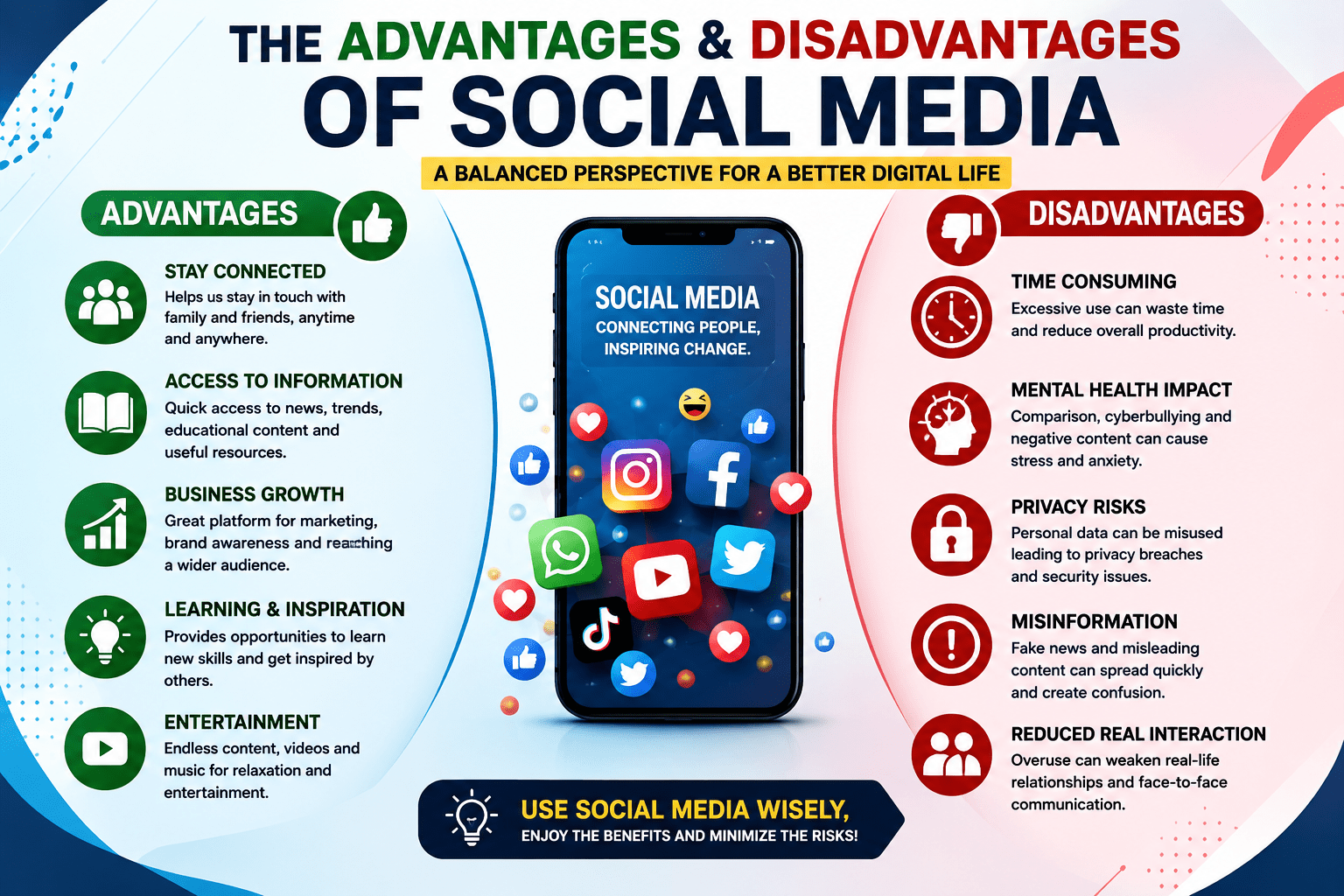
While there are many benefits, managing multiple platforms can be challenging:
- Time-consuming
- Requires consistent content creation
- Different strategies for each platform
That’s why it’s important to focus on platforms that align with your goals.
Future of Social Media Platforms
Social media is evolving rapidly. New trends are shaping its future:
- AI-driven content recommendations
- Short-form video dominance
- Creator economy growth
- Social commerce expansion
Understanding platform types will help you stay ahead in this fast-changing digital world.
Final Thoughts
Social media is not just one platform—it’s a combination of different types, each serving a unique purpose. Whether you’re a student, business owner, or content creator, knowing these types can help you use social media more effectively.
Instead of being everywhere, focus on the platforms that match your goals and audience.
Conclusion
So, what are the types of social media? They range from networking and content sharing to messaging and commerce platforms. Each plays a different role in communication and digital growth.
The key is not just to use social media—but to use the right type of social media in the right way.
Because in today’s digital world, smart usage matters more than just presence.