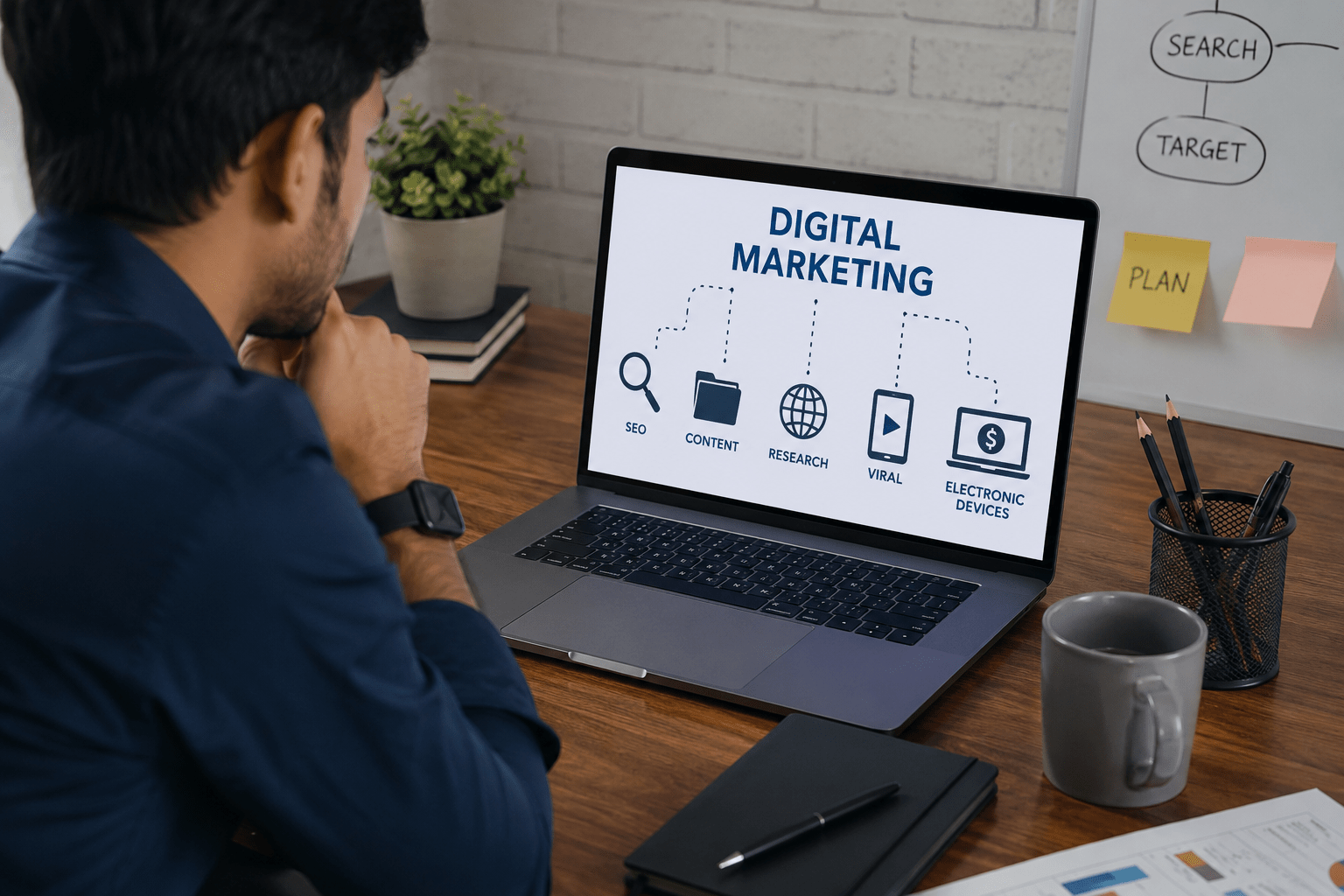
How Many Types of Digital Marketing Are There and Which One Should You Learn First?
Digital marketing is one of the most in-demand skills today, but many students and beginners ask: how many types of digital marketing are there, and which one should I learn first? The answer is that digital marketing includes 7 to 10 major types, but not all are equally important for beginners. At Infinite Pulse Media Academy, we focus on teaching the most practical and career-oriented skills that help students become job-ready faster.
1. Search Engine Optimization (SEO)
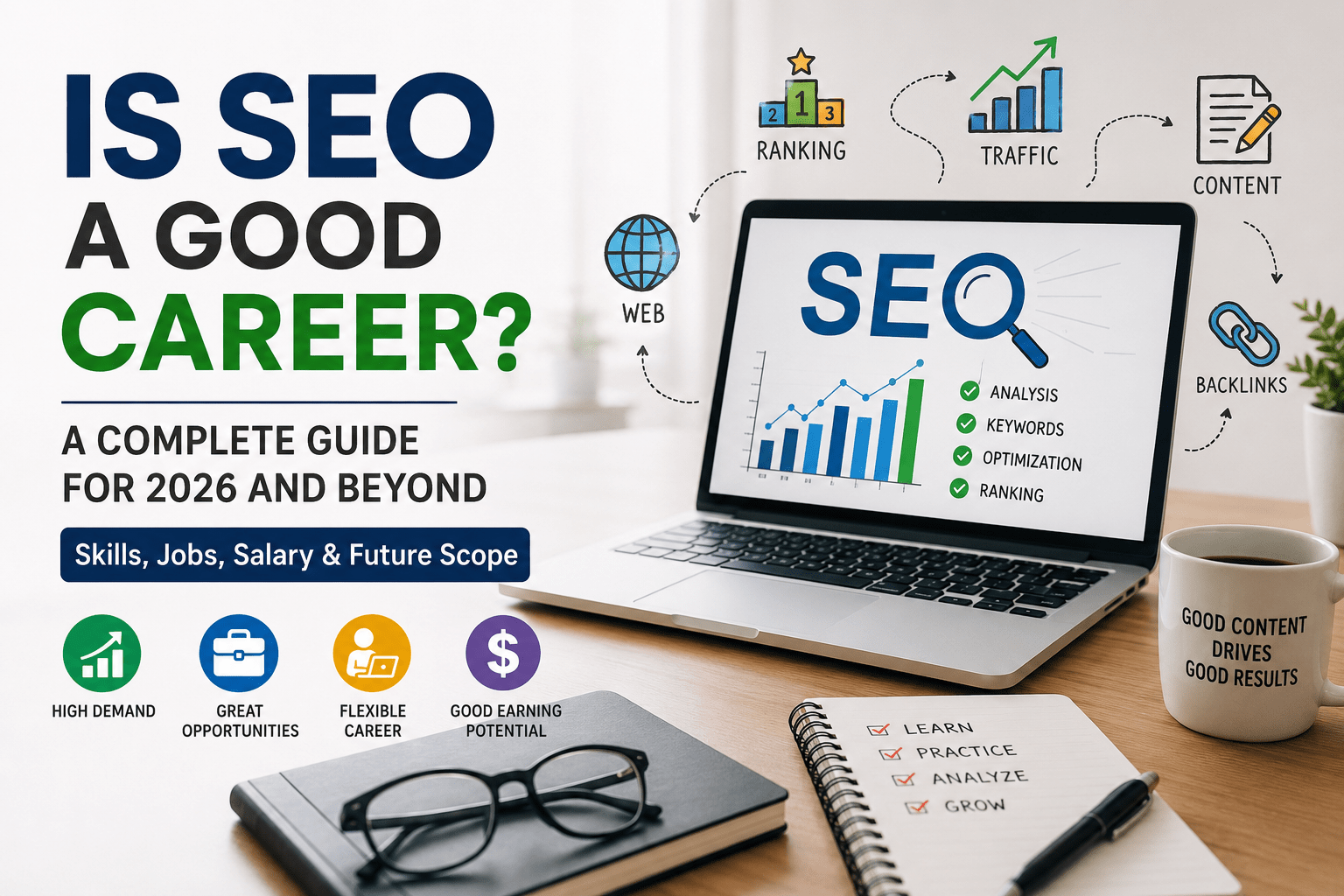
SEO is one of the most important types of digital marketing. It focuses on ranking websites on Google to generate organic traffic.
Compared to other methods, SEO takes time but offers long-term results. This is why at Infinite Pulse Media Academy, SEO is a core part of training because it builds a strong foundation for any digital marketing career.
2. Pay-Per-Click Advertising (PPC)
PPC, such as Google Ads, helps businesses get instant traffic by paying for ads.
Unlike SEO, which takes time, PPC delivers immediate results. However, it requires budget and proper strategy. That’s why students are trained with real campaigns to understand how ads actually perform.
3. Social Media Marketing (SMM)
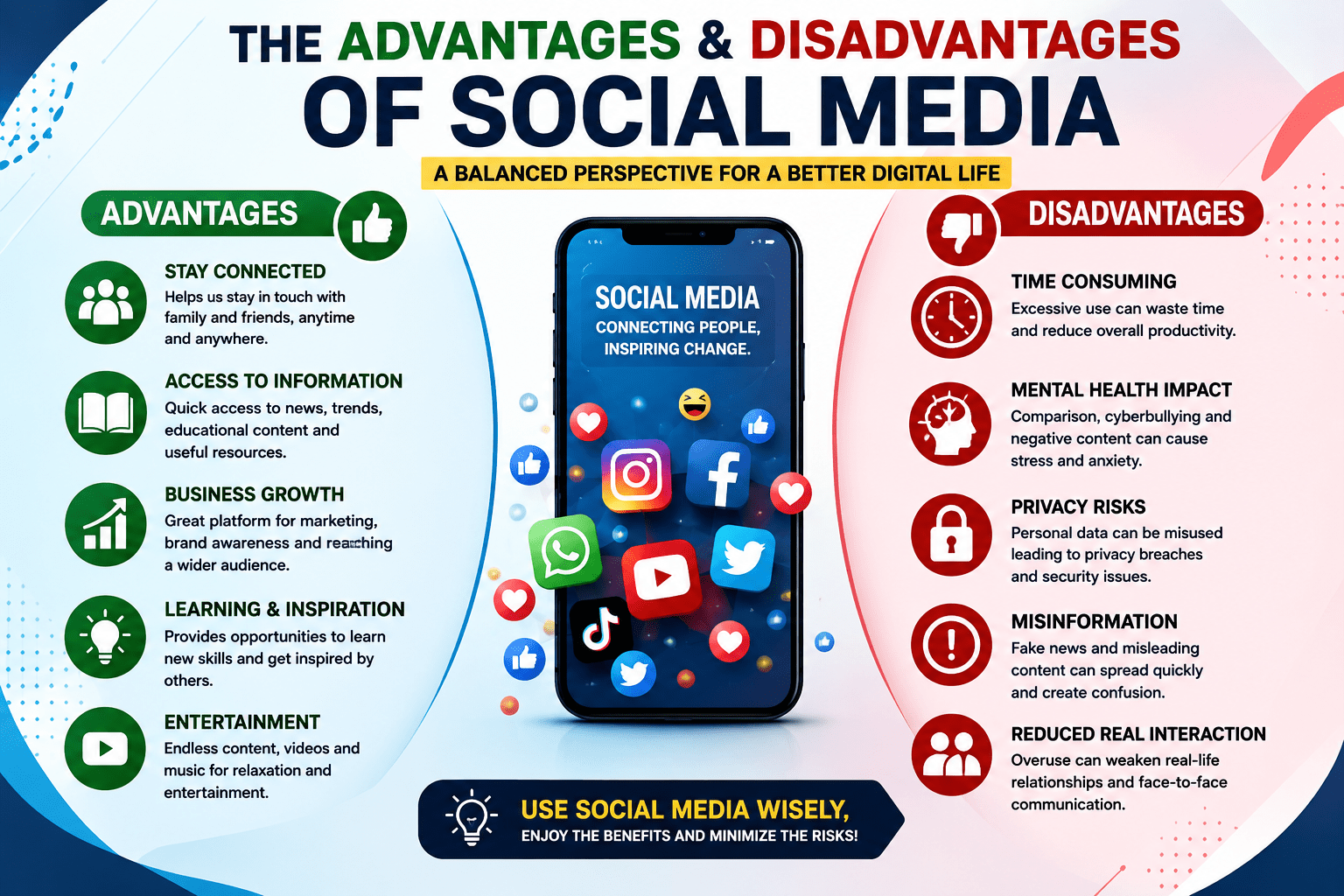
Social media marketing involves promoting brands on platforms like Instagram and Facebook.
Compared to SEO and PPC, SMM is more focused on engagement and brand building. It is one of the easiest entry points for beginners and is widely used by businesses today.
4. Content Marketing
Content marketing is about creating blogs, videos, and valuable content to attract users.
It works closely with SEO but focuses more on educating the audience. Compared to direct ads, content marketing builds trust over time and supports long-term growth.
5. Email Marketing
Email marketing helps businesses communicate directly with their audience through targeted messages.
Compared to social media, it provides better control and higher conversion rates because the audience is already interested in the brand.
6. Influencer Marketing
Influencer marketing uses social media creators to promote products.
Compared to traditional advertising, it builds trust faster because people follow and trust influencers. It is especially effective for brand awareness.
7. Affiliate Marketing
Affiliate marketing is a performance-based strategy where you earn commission by promoting products.
Compared to PPC, you don’t pay upfront—you earn based on results. It is a good option for passive income.
8. Online Reputation Management (ORM)
ORM focuses on managing reviews and brand image online.
Compared to other marketing types, ORM builds trust and credibility, which directly impacts customer decisions.
How These Types Compare for Learning?
Not all digital marketing types are equally important for beginners. Some are easier to start with, while others require deeper understanding.
-
SEO → Best for long-term career growth
-
PPC → Best for quick results and business use
-
Social Media → Best for beginners and content creators
-
Content Marketing → Best for branding and authority
-
Email Marketing → Best for conversions
At Infinite Pulse Media Academy, the training focuses on practical skills rather than just theory, helping students understand how these channels work together in real-world scenarios.
Which Digital Marketing Type Should You Learn First?
If you are starting your journey, it is better to focus on:
-
SEO (for strong foundation)
-
Social Media Marketing (for quick learning)
-
Google Ads (for practical exposure)
Learning all types step-by-step is more effective than trying to master everything at once.
Conclusion
Digital marketing is not just one skill—it is a combination of multiple strategies working together. While there are many types, the key is to focus on the most important and practical ones first.
If you want to build a career in this field, learning from a structured training program like Infinite Pulse Media Academy can help you gain real skills, practical experience, and industry knowledge. Instead of just understanding concepts, you learn how to apply them, which is what truly matters in today’s competitive digital world.